


About
Find Out More About Us
EBRC is a member of the ChemService Group. We are a dynamic and forward-thinking firm based in Hannover, Germany. Since our founding, we have been passionately committed to supporting the chemical, biocidal, cosmetic, agrochemical, food, and feed additive industries in navigating the complex and evolving landscape of regulatory compliance and product safety.
Our mission is rooted in a clear vision: to empower our clients with scientific excellence and regulatory precision, while upholding the highest standards of human health and environmental protection. We believe regulatory science is more than a legal requirement—it’s a strategic asset that enables innovation, mitigates risk, and drives sustainable success.
With a multidisciplinary team with decades of experience, EBRC offers deep scientific and regulatory knowledge across all critical safety disciplines, including toxicology, ecotoxicology, environmental fate, risk assessment, and regulatory affairs. Whether you're seeking support under the EU REACH Regulation, the Biocidal Products Regulation (BPR), Plant Protection Products (PPP) legislation, or food and feed additive authorisation processes, we provide tailored solutions that ensure compliance and competitive advantage. We also have substantial expertise in the cosmetics sector, where safety, efficacy, and regulatory accuracy are essential for market success.
What truly distinguishes EBRC is our unique ability to foster collaboration across stakeholders. Beyond traditional consultancy, we act as strategic facilitators—coordinating task forces and managing industry consortia to drive efficient joint dossier submissions, harmonised data sharing, and aligned regulatory strategies. Our in-depth understanding of group dynamics, legal frameworks, and scientific requirements allows us to streamline even the most complex, multi-party regulatory projects.
At EBRC, we are more than just consultants—we are trusted partners committed to helping our clients turn regulatory challenges into opportunities for progress and innovation. With a strong foundation in scientific integrity, proactive project management, and practical problem-solving, we support our clients at every step of the regulatory journey.

Some Milestones
-
1993 - A two-person start-up
EBRC was founded by Rodger Battersby.
-
New horizons
The onset and further development of agrochemical and biocidal legislation in the EU, as well as the implementation of the REACH regulation has implied continuous growth of EBRC's staff and operations.
-
2021 - Scaling with purpose
From its foundation onwards, EBRC has advanced through several office moves in Hannover, each driven by demand and growth. The organisation has reached its peak size so far, with a staff of approximately 70.
-
2026 - Growing together
After more than 30 years of growth, EBRC becomes part of the Chemservice Group. This partnership expands our expertise, strengthens our international network and opens new opportunities for clients and employees alike. Read the full press release here.

Albert Einstein
1879 - 1955
How on earth are you ever going to explain in terms of chemistry and physics so important a biological phenomenon as first love.
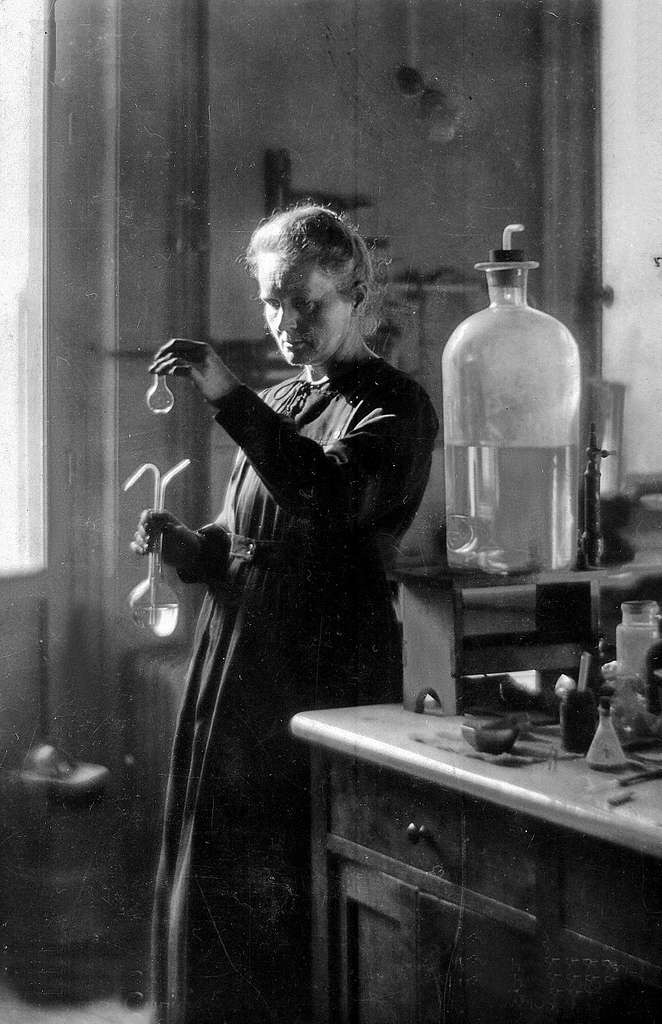
Marie Curie
1867 - 1934
Nothing in life is to be feared, it is only to be understood. Now is the time to understand more, so that we may fear less.

Democritus
460 - 370 BC
We think there is color, we think there is sweet, we think there is bitter, but in reality there are atoms and a void.
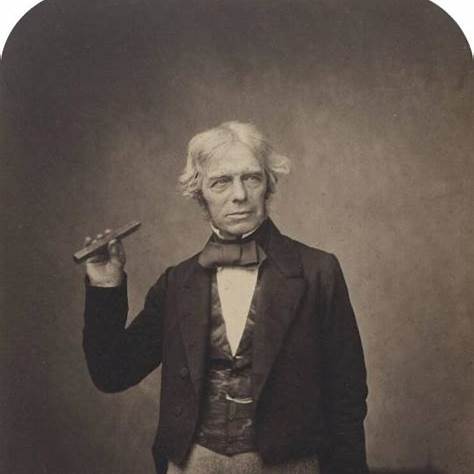
Michael Faraday
1791 - 1867
Chemistry is necessarily an experimental science: its conclusions are drawn from data, and its principles supported by evidence from facts.
Contact
Our Address
Kirchhorster Strasse 27, 30659 Hannover, Germany
Email Us
Call Us
+49 511 898389 0
Google Maps is deactivated.
Please accept third party cookies for usage.